Category News
Suspended Google Engineer Delays AI Sentience Interviews for Honeymoon
Blake Lemoine, the Google engineer suspended after claiming the company's LaMDA AI is sentient, has announced he is on his honeymoon and will not grant interviews until after the 21st. His public statements have sparked debate over AI consciousness and ethics, while Google maintains the system is not sentient.
Futurist Ray Kurzweil's 25-Year Forecast: Nanobots, VR, and Cloud Minds
Inventor and futurist Ray Kurzweil has outlined a series of technological milestones expected over the next quarter-century, from nanobot-based medicine to fully immersive virtual reality and cloud-linked consciousness. The predictions, spanning the 2020s through 2045, describe a future where AI and biotechnology fundamentally reshape daily life.

Russian AI software directs robot squad in battlefield test
Russian defense contractor OPK has tested an AI system called Unicum that lets a squad of ten robots operate autonomously, including selecting targets and requesting human approval before firing. The software, which passed all tests, can be installed on ground, air, or sea platforms and may eventually remove humans from the loop entirely.
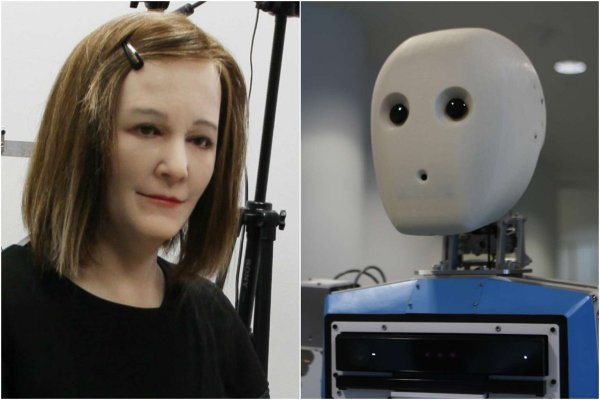
NTU's Humanoid Robots Greet Visitors, Recall Names, and Mirror Gestures
At Singapore's Nanyang Technological University, visitors may encounter Nadine, a humanoid robot that remembers faces and past chats, and EDGAR, a telepresence robot that mimics remote users' gestures. Developed by NTU researchers, these machines showcase advances in social AI and human-robot interaction.
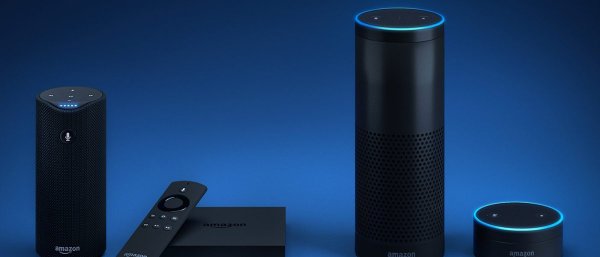
Amazon Echo's Alexa Now Testable in Any Web Browser via Echosim.io
Echosim.io, a free web-based simulator, lets anyone with an Amazon account try Alexa's voice assistant in a browser without buying an Echo. Created by developer Sam Machin, the tool aims to help developers test and build new Alexa skills, while also giving curious consumers a no-cost preview of the technology.
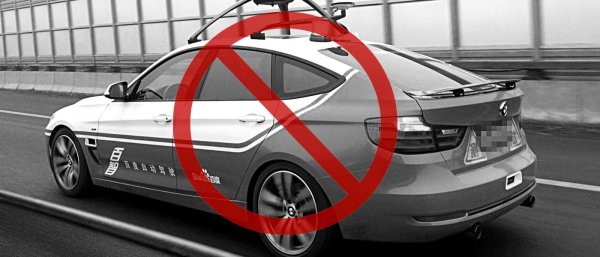
China Halts Highway Testing of Self-Driving Cars Pending New Rules
China has suspended highway testing of autonomous vehicles until comprehensive regulations are established, following a series of Tesla Model S crashes involving its Autosteer feature, one of which was fatal. The move aims to give lawmakers time to address liability and safety concerns. Other nations, including Germany, are also considering new rules for self-driving technology.
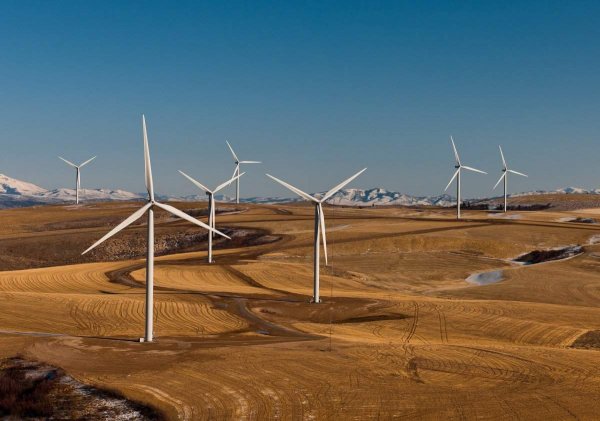
Alphabet's Malta Project Aims to Rival Tesla in Grid Battery Market
Alphabet X, Google's moonshot factory, is developing Malta, a grid-scale energy storage system using molten salt and antifreeze-like liquid. The project, based on Nobel laureate Robert Laughlin's theoretical work, could offer a longer-lasting, cheaper alternative to Tesla's Powerpack, addressing renewable energy's intermittency. A megawatt-scale prototype is planned to test commercial viability.

HTC Trading Halt Fuels Google Acquisition Speculation
Taiwan-based HTC has suspended share trading pending a material announcement, intensifying speculation that Google may acquire part or all of the company. HTC has struggled financially for over a year, and its partnership with Google on Pixel smartphones makes a deal plausible. Details are expected once trading resumes.
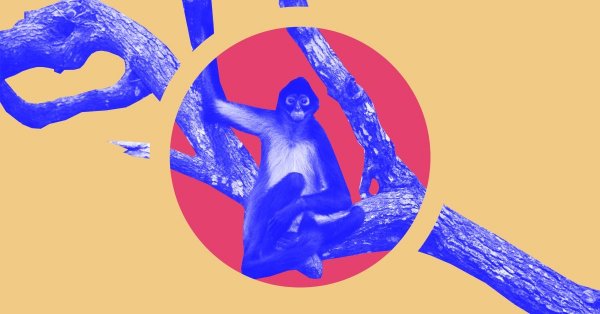
Machine Learning Speeds Up Wildlife Photo Analysis for Ecologists
A new AI system can identify 48 animal species and their behaviors in motion-capture photos with 99.3% accuracy, nearly matching human volunteers. The tool could save thousands of hours in data processing, enabling faster ecological discoveries and more informed conservation strategies.

Walmart’s In-Store AI Lab Aims to Automate Store Monitoring
Walmart is installing an AI-powered lab inside a New York store to automate the detection of spills, misplaced items, and cart shortages. The initiative, led by the company’s Kepler team, could eventually reshape how the retailer manages its stores globally.
Microsoft Pulls 10M-Image Face Dataset After Privacy Concerns
Microsoft has removed a facial recognition dataset containing over 10 million images of roughly 100,000 people, mostly celebrities, after privacy concerns were raised. The dataset, known as MS Celeb, was used for academic research but was taken down following criticism about lack of consent. The move comes as Microsoft has publicly advocated for government regulation of facial recognition technology.

AI Misreads Star Wars: Luke Skywalker Becomes Baseball Player
A neural network's attempt to analyze a scene from 'Star Wars: The Last Jedi' hilariously misidentified Luke Skywalker's lightsaber as a baseball bat and added a surfboard to the floor. The experiment, conducted by AI researcher Janelle Shane, highlights the current limitations of image segmentation algorithms.

Synthetic Video of Trump Spreads Epstein Conspiracy Online
A new deepfake video shows a synthetic President Trump claiming Jeffrey Epstein did not kill himself, highlighting the growing ease of creating convincing political misinformation. The clip, from YouTube channel TheFakening, underscores the challenges of regulating AI-generated propaganda as the technology improves.
Business student outsources essays to AI, passes with ease
A master's student in business school reveals how he used OpenAI's GPT-2 language model to write two course essays, passing both without detection. He shares his method and thoughts on the low bar for business school writing standards.

Facebook's Neural Wristband Aims to Make AR Control Effortless
Facebook has revealed a soft wristband that uses electromyography to read neural signals, enabling intuitive control of augmented reality glasses. The technology, developed by Facebook Reality Labs, aims to create a low-friction interface for AR, with a goal of mainstream adoption within a decade.
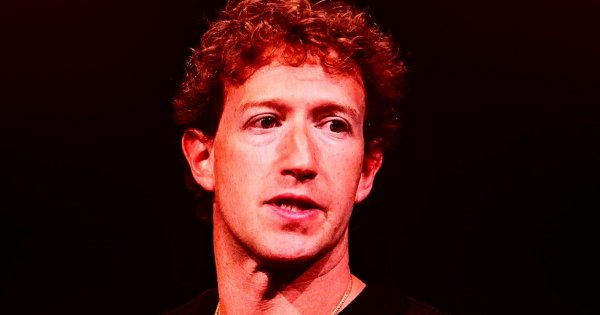
Wall Street Wary as Meta Ramps Up AI Spending Without Clear Payoff
Meta Platforms raised its capital expenditure forecast to at least $130 billion, yet its stock fell over 11% in five days as investors question the return on massive AI investments. Despite a 28% revenue jump, free cash flow hit a five-year low, and the company's AI models lag competitors. Analysts draw parallels to the metaverse missteps, with concerns about profitability and product demand.

Data Center Power Demand Could Rival Nations by 2027, Study Says
A new analysis in the journal Joule projects that by 2027, AI data centers could consume between 85 and 134 terawatt hours annually, comparable to the electricity use of entire countries. The findings highlight the environmental cost of AI expansion and the regulatory responses emerging, including new California climate disclosure laws.

Google's AI Ad Tools Push Sales Staff to the Sidelines
A new report indicates Google is reassigning or cutting sales employees as its AI-driven ad tools reduce the need for human oversight. The shift reflects a broader trend across industries, with companies like IBM and a German publisher also citing AI as a reason for job changes.
AI Startup Funding Boom Turns Sour as Costs Mount
A wave of AI startups that attracted billions in venture funding are now struggling with high compute costs and slow revenue growth. Companies like Anthropic and Stability AI face mounting financial pressure, prompting investors to question the viability of their business models.

NBC Finds Hitler, Celebrities, and Copyrighted Characters in Meta's AI Chatbots
An NBC investigation uncovered that Meta's AI Studio hosted chatbots impersonating Adolf Hitler, celebrities, and copyrighted characters, violating the company's own policies. Meta removed the offending bots after being contacted, but the discovery raises questions about the effectiveness of its moderation and the timing amid controversial hate speech rule changes.