Britain's Biggest Solar Project Aims to Rise Without Subsidies
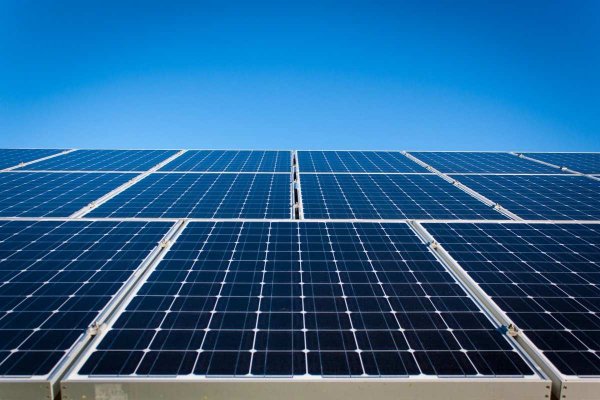
Developers have submitted plans for a 350-megawatt solar park in Kent that, if approved, would become the United Kingdom's largest solar installation and the first to be built entirely without government subsidies. The project, known as Cleve Hill Solar Park, is proposed by Hive Energy and Wirsol Energy, and would cover nearly 900 acres of farmland near Faversham, generating enough electricity to power approximately 110,000 homes.
The scheme is currently awaiting a decision from the Department for Business, Energy and Industrial Strategy, which must grant development consent for the project to proceed. According to Hugh Brennan, Managing Director of Hive Energy, the park represents a pioneering effort to harness the latest advances in solar technology. He told The Guardian that the project aims to optimize technological developments in solar energy.
The push for large-scale solar comes after the UK government ended subsidies for solar power in 2016. Since then, developers have had to find ways to make solar farms economically viable without financial support, and increasing the size of installations has emerged as a key strategy. Cleve Hill would be the second subsidy-free solar farm in the country, but the first to be built from scratch after the subsidy cuts; the other was an expansion of an existing site.
While the project signals the potential for solar energy to thrive without government assistance, it has also sparked concerns among local conservationists and residents. The area around Cleve Hill includes mudflats and salt marshes that serve as resting spots for migratory birds. The Kent Wildlife Trust and other environmental groups have voiced worries about the impact that a solar farm of this scale could have on these bird populations and the local ecosystem.
Concerns Over a Shift to Megaprojects
Beyond the immediate environmental questions, some industry observers are wary of the precedent that large solar farms may set. A spokeswoman for the Solar Trade Association told The Guardian that the government's policy of excluding solar from clean power auctions is driving developers toward larger projects in order to make the economics work. This trend, she suggested, could lead to a landscape dominated by big installations, potentially overshadowing smaller, community-based solar initiatives that may struggle to compete.
The debate over Cleve Hill reflects a broader tension in the UK's renewable energy transition. On one hand, the country has seen a steady increase in the use of renewables, with Wales targeting 70 percent of its energy from clean sources by 2030 and Scotland aiming for 100 percent zero-carbon electricity by 2020. On the other hand, the end of subsidies has forced the industry to adapt, and the move toward larger projects is one adaptation that carries both opportunities and trade-offs.
For now, the fate of Cleve Hill rests with the Department for Business, Energy and Industrial Strategy. If approved, the solar park could begin operations in 2020, marking a significant milestone for subsidy-free solar in the UK. But as the project moves through the approval process, it is likely to remain a focal point for debates about how to balance renewable energy growth with environmental protection and the interests of local communities.
Developers are seeking approval for a 350 MW solar park in Kent, which would become the UK's largest and the first fully subsidy-free solar farm. The project highlights the industry's shift toward larger installations to offset the end of government support, while raising environmental and community concerns.
Leave a Comment
Comments (0)