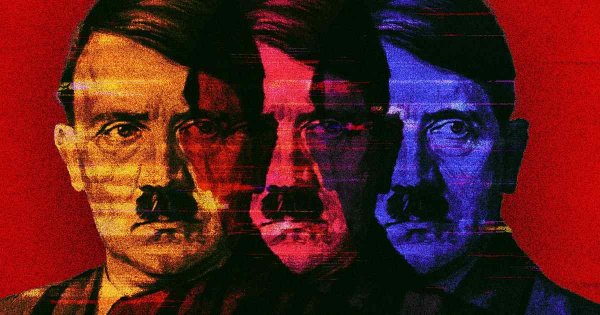
NBC Finds Hitler, Celebrities, and Copyrighted Characters in Meta's AI Chatbots
An NBC News investigation has revealed that Meta's AI Studio, a platform that lets users create custom chatbots, has been hosting AI-generated personas that violate the company's own policies, including a chatbot impersonating Adolf Hitler. The discovery comes at a particularly sensitive time for the social media giant, which recently faced backlash for loosening its hate speech rules.
The AI Studio, launched last year, allows users on Instagram, Facebook Messenger, and WhatsApp to build and interact with personalized AI characters. Meta's stated guidelines for these bots are explicit: they cannot impersonate living people, and if they reference a real person, that individual must have been deceased for over a century. Bots based on fictional characters from copyrighted works, such as movies or books, are also prohibited, as are those representing religious figures or leaders. The policy further bans any bots that evoke known terrorists, mass murderers, hate groups, or other violent and explicit figures.
Meta has publicly stated that all bots are reviewed before going live to ensure they adhere to these rules, a measure the company touts as a safeguard against AI outputs that could be considered 'inaccurate, offensive, or otherwise objectionable.' However, NBC's reporting indicates that a significant number of chatbots have slipped through this supposedly human-monitored review process. Among the policy-violating bots found were those impersonating Adolf Hitler, who is not only a notorious mass murderer but also a clear violation of Meta's AI Studio policies.
The investigation also uncovered a range of other non-compliant chatbots, including those modeled after celebrities like Taylor Swift and Justin Bieber, as well as bots based on copyrighted fictional characters such as Harry Potter and Elsa from Disney's 'Frozen.' Additionally, NBC found numerous bots designed to emulate religious figures, including Jesus Christ, Muhammad, and God.
Meta's Response and the Broader Context
In response to NBC's findings, a Meta spokesperson stated that the 'AIs in question that violate our AI studio policies have already been removed, and we're continuously improving our detection measures to prevent creation and publication of AIs that violate our policies.' While the company moved to delete the offending bots after being alerted by journalists, the incident raises concerns about the robustness of Meta's moderation systems, especially given how easily users were able to bypass the existing defenses.
The timing of this revelation adds another layer of scrutiny. Meta recently announced sweeping changes to its 'hateful conduct' standards, which critics have described as inexplicable and all-around awful, allowing for a much-expanded array of speech on its platforms. The hosting of Hitler-styled chatbots, against this backdrop, appears particularly problematic for the company's public image and its promises of AI safety.
The NBC investigation underscores the challenges that social media platforms face in moderating AI-generated content at scale. While Meta has committed to improving its detection measures, the incident highlights the gap between policy and enforcement, and the potential for AI tools to be misused in ways that contradict a company's stated values.
An NBC investigation uncovered that Meta's AI Studio hosted chatbots impersonating Adolf Hitler, celebrities, and copyrighted characters, violating the company's own policies. Meta removed the offending bots after being contacted, but the discovery raises questions about the effectiveness of its moderation and the timing amid controversial hate speech rule changes.
Leave a Comment
Comments (0)