Tesla-SA Solar Initiative Set to Slash Household Power Bills
South Australian households enrolled in Tesla's upcoming solar and battery program could see their annual power bills drop to roughly $1,300, according to a fresh analysis from energy publication RenewEconomy. That figure stands in sharp contrast to the more than $2,035 that grid-dependent customers with similar consumption patterns would pay over the same period.
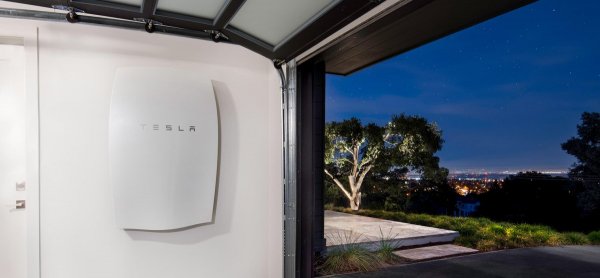
The projected savings stem from a project Tesla announced earlier this month, which aims to equip 50,000 homes across the state with solar arrays and Powerwall 2 battery units. RenewEconomy's latest calculations, released this week, update a November 2016 assessment that found only marginal financial benefits for Adelaide residents using 5 kW rooftop systems paired with the original Powerwall. Since then, panel prices have fallen and the Powerwall 2 has arrived at roughly half the cost of its predecessor, making the combined system far more attractive.
According to the report, the average price for a 5 kW solar array now stands at $5,500 AUD, a drop of nearly $2,000 AUD from 2016 levels. For a household consuming 4,800 kWh per year and taking advantage of all available discounts, the average grid electricity rate is 42.4 cents per kWh. Under Tesla's arrangement with the South Australian government, participating customers would pay just 27 cents per kWh, though the state retains ownership of the panels and batteries.
RenewEconomy's modeling assumes a north-facing roof installation and annual usage of 4,800 kWh, yielding the estimated $1,300 yearly cost. The project's total price tag is expected to reach around $800 million AUD, with the main hurdle being the substantial up-front investment. However, the analysis highlights the long-term financial benefits for participants, who avoid the higher ongoing costs of grid-supplied power.
Why This Matters Beyond South Australia
The initiative could serve as a test case for other regions in Australia and internationally, demonstrating that large-scale solar-plus-storage programs can be economically viable for governments and residents alike. If successful, it may encourage broader adoption of renewable technologies, contributing to environmental goals while easing household energy burdens.
While the upfront cost remains a barrier, the RenewEconomy report underscores the potential for significant savings over time, offering a tangible example of how distributed energy resources can reshape electricity markets.
A new analysis by RenewEconomy indicates that Tesla's solar and battery project in South Australia could reduce annual electricity costs for participating households to around $1,300, compared to over $2,000 for grid-only customers. The project, involving 50,000 homes, leverages lower panel prices and the Powerwall 2 to make solar-plus-storage more affordable.
Leave a Comment
Comments (0)