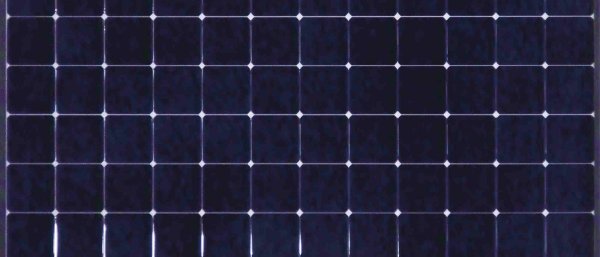
Panasonic's New Solar Tech Sets Two Efficiency Records
Japanese electronics maker Panasonic has claimed two new world records in solar energy efficiency, marking a significant advance in photovoltaic technology. The company announced that its silicon heterojunction cells have achieved a conversion efficiency of 25.6%, while its crystalline silicon-based photovoltaic module also set a new high, surpassing the previous record held by competitor SunPower. Both records were confirmed by Japan's National Institute of Advanced Industrial Science and Technology (AIST).
The achievement underscores the competitive edge that even a single percentage point can deliver in the renewable energy sector. Panasonic's latest results build on years of development of its HIT™ (Heterojunction with Intrinsic Thin layer) technology, which combines a crystalline silicon substrate with amorphous silicon layers. According to the company, this unique structure has been refined since commercial production began, enabling continuous improvements in efficiency.
One of the key innovations behind the new records is the placement of electrodes on the reverse side of the cell, known as back contacts. As noted by technology outlet Gizmag, this design allows incoming light to be more effectively directed to the monocrystalline silicon substrate where power is generated. It also reduces resistive losses when current is fed to the grid electrodes, contributing to the higher efficiency.
Why Efficiency Gains Matter
Higher conversion efficiency means that solar panels can generate more electricity from the same amount of sunlight, which can lower the cost per watt and reduce the land area needed for solar installations. For residential and commercial users, this can translate into greater energy yield from a limited roof space, making solar power more practical and affordable.
Panasonic's journey in solar technology dates back to 1975, when it began research and development on amorphous solar cells. By the late 1990s, the company had moved into mass production and sales of its HIT™ modules for residential use. Since then, HIT™ systems have been deployed in countries including South Africa, Spain, South Korea, China, and the United States, according to the company.
Currently, Panasonic says it is continuing to develop its heterojunction technology with the goal of making these high-efficiency cells and modules suitable for mass production. The company, founded in 1918, has long been known for its diverse electronics portfolio, and its solar business represents a key part of its commitment to sustainable energy solutions.
While the records are a notable technical milestone, industry observers note that translating laboratory achievements into commercially viable products remains a challenge. Panasonic's ongoing work aims to bridge that gap, potentially bringing higher-efficiency solar panels to the market in the coming years.
Panasonic has achieved a new world record in solar panel efficiency, with a 25.6% conversion rate for its silicon heterojunction cells and a separate module-level record. The company's proprietary HIT technology, which places electrodes on the back of the cells, is credited for the gains. These milestones were confirmed by Japan's AIST, positioning Panasonic ahead of rival SunPower.
Leave a Comment
Comments (0)