Study Warns of More Extreme Wet-Dry Swings in California
California is bracing for a future marked by more frequent and severe swings between torrential rain and prolonged drought, according to a new study published Monday in the journal Nature Climate Change. The research, led by Daniel Swain of the University of California, Los Angeles, projects a 25% to 100% increase in what scientists call “climate whiplash” by the end of the century.
Using data from the Community Earth System Model Large Ensemble (CESM-LENS), which simulates climate from 1920 to 2100, the team analyzed historical patterns and future projections. Their findings indicate that the state’s precipitation will become increasingly concentrated in the winter months of December through March, while the fall and spring become drier.
Flood Risk and Infrastructure Strain
The concentration of rainfall in a shorter window poses a direct challenge to California’s water infrastructure. If reservoirs and levees cannot handle the sudden influx, widespread flooding could occur simultaneously across the state. Swain, the lead author, warned that a single major flood event could cost upwards of a trillion dollars. “I don’t think most people in California really have a grasp of the magnitude of this kind of event,” he said in a press release. “Millions of people living in the Central Valley would, at a minimum, have to leave for a while, and many could actually have their homes under 20 or 30 feet of water.”
Wildfire Season Lengthens
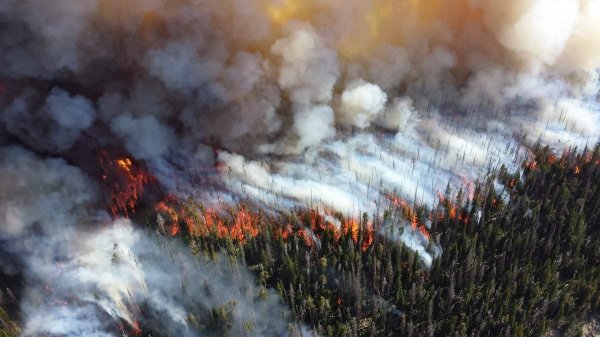
The same whiplash dynamic is expected to amplify wildfire risks. Traditionally, California’s rainy season begins in October or November, but if it is delayed to December, the fall months leave vegetation dry and highly flammable. Combined with the Santa Ana winds, which peak in Southern California around November and December, the conditions become a recipe for intense fires. Recent wildfire seasons have already offered a preview of this potential future.
The researchers attribute most of the predicted increase in climate whiplash to human-caused global warming. Swain told Reuters that this future “can be partially, but not completely, avoided” if the world takes tougher action on climate change. California has already adopted some of the most progressive environmental policies in the nation, including ambitious renewable energy targets and greenhouse gas reduction goals.
While the state remains committed to addressing global warming, the study underscores the urgency of preparing for the impacts already in motion. As Swain noted, the scale of potential disaster is something most residents have yet to fully grasp.
A new study in Nature Climate Change projects that California will face a 25-100% increase in rapid swings between extremely wet and dry weather by 2100, driven by human-caused global warming. This could lead to severe flooding and wildfires, with potential damages exceeding a trillion dollars.
Leave a Comment
Comments (0)