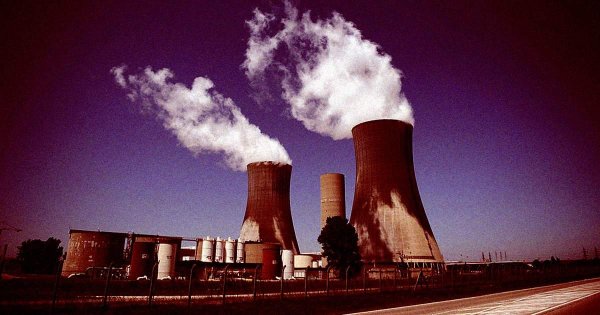
Pipe Corrosion Sidelines a Quarter of France's Nuclear Fleet
Twenty-six of France's 56 nuclear reactors remain offline as technicians grapple with stress-induced pipe corrosion, a problem that threatens to deepen Europe's energy crisis just as winter approaches. The affected fleet, operated by state-owned utility EDF, has been partially shuttered since late last year, when inspectors found a crack in a high-pressure pipe near the core of the nation's youngest plant. Subsequent checks at other facilities uncovered similar stress corrosion issues, according to a report in The Wall Street Journal.
Emmanuelle Wargon, who heads France's energy regulator, told the Journal that restarting the reactors is urgent. "It's important that this work restarts as soon as possible," she said. "If not, the risk of not having electricity rises." Her warning comes as Europe scrambles to secure alternative energy sources after Russia throttled natural gas exports in response to Western sanctions over the invasion of Ukraine.
The corrosion problem is particularly vexing because the cracks are located close to the reactor core, where technicians face significant radiation exposure. That limits how much time repair crews can spend on each fix, and the complexity of the work has already pushed back timelines for several units by at least six weeks, sources told the Journal. French power experts are said to be skeptical that EDF can restore the fleet in time for the coldest months.
Why the Cracks Are Hard to Detect
France's Institute for Radioprotection and Nuclear Safety noted in a statement that stress corrosion is only detectable after cracking has begun. "Regular inspections of the pipes can only identify the phenomenon once a fault is present," the institute said, underscoring the challenge of preventing such failures before they occur. The discovery at the youngest plant prompted a fleet-wide review, which revealed similar defects elsewhere.
The outages are a double blow for a continent already reeling from skyrocketing natural gas prices. Governments across Europe have urged citizens to reduce consumption, and any additional strain on the electricity grid could force more drastic measures. France, which typically exports power to neighboring countries, may need to import electricity this winter, reversing its usual role and adding pressure to a regional system that is already tight.
EDF has not provided a firm date for when all reactors will return to service, and the company's repair strategy remains under scrutiny. The prolonged shutdowns have raised questions about the resilience of France's nuclear fleet, which has long been a pillar of the country's energy independence and a key supplier to the European grid.
For now, the focus is on completing repairs safely and quickly. But as Wargon's warning suggests, the margin for error is thin. Each week of delay increases the likelihood of rolling blackouts or emergency measures, not just in France but across the continent. The situation is a stark reminder of how interconnected Europe's energy systems have become — and how vulnerable they are to a single point of failure.
Stress corrosion has forced 26 of France's 56 nuclear reactors offline, threatening winter electricity supplies across Europe. Repairs are complex and delayed, with the energy regulator warning of rising blackout risks as the continent faces a gas shortage.
Leave a Comment
Comments (0)