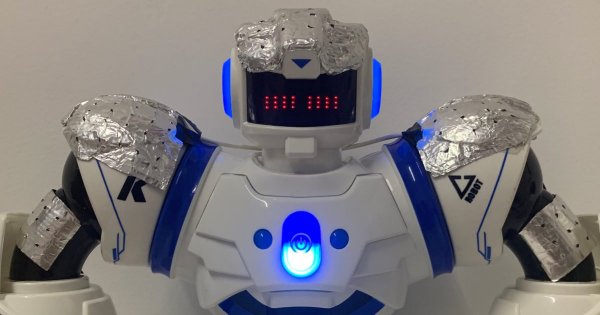
Robots Get Energy Boost from Zinc Batteries Mimicking Body Fat
In a development that could reshape how robots are powered, engineers at the University of Michigan have unveiled a new type of battery that stores energy in a way that mirrors the fat reserves of living organisms. The so-called “biomorphic batteries” are designed to be integrated into a robot's exterior, potentially multiplying the device's power capacity by a factor of 72 compared to conventional lithium-ion cells.
The research, published in the journal Science Robotics, addresses a long-standing constraint in robotics: batteries typically consume 20% or more of the available internal space or account for a similar share of a robot's weight. Nicholas Kotov, a professor of engineering at the university and lead researcher on the project, explained that this limitation has restricted robot designs. “Distributed energy storage, which is the biological way, is the way to go for highly efficient biomorphic devices,” he said in a statement.
Instead of a single, bulky battery pack, the new approach spreads energy storage across the robot's body, much like fat tissue in animals. This not only frees up internal space but also allows the battery to serve a dual purpose: storing charge and protecting the robot's internal components. Ahmet Emre, a doctoral student in biomedical engineering, noted that this multifunctionality replicates the role of fat tissues in living creatures, which store energy while also providing cushioning and insulation.
How the Zinc Battery Works
The battery operates by passing hydroxide ions between a zinc electrode and the air through a membrane coated with aramid nanofibers—the same material found in Kevlar vests. The system also uses water-based polymer gels, making the battery largely nontoxic. This stands in contrast to lithium-ion batteries, which often contain hazardous materials and require careful disposal.
According to the team, the zinc batteries are not only more environmentally friendly but also more flexible in terms of where they can be mounted on a robot. Because they can be shaped to fit the exterior, they can be integrated into the robot's shell, eliminating the need for a separate battery compartment.
Trade-offs and Future Prospects
Despite these advantages, the zinc batteries have a notable drawback: they can only maintain high capacity for about 100 charge cycles, which is significantly fewer than lithium-ion batteries. However, the researchers point out that the batteries are relatively inexpensive to replace and can be easily recycled, which could offset the shorter lifespan.
The lead author of the paper, Mingqiang Wang, emphasized the potential impact: “We estimate that robots could have 72 times more power capacity if their exteriors were replaced with zinc batteries, compared to having a single lithium ion battery.” This estimate is based on the energy density of the zinc batteries and the space freed up by eliminating a traditional battery pack.
While the technology is still in the research phase, the concept of distributed energy storage could have broader implications beyond robotics, potentially influencing the design of portable electronics and electric vehicles. However, the team acknowledges that further work is needed to improve the cycle life of the zinc batteries before they can be widely adopted.
The study was published in Science Robotics, and the research was conducted at the University of Michigan, with contributions from the team led by Nicholas Kotov.
University of Michigan researchers have developed zinc-based batteries that can be integrated into a robot's exterior, mimicking fat tissue to store energy. This approach could provide up to 72 times more power capacity than traditional lithium-ion batteries, while also being more environmentally friendly and recyclable.
Leave a Comment
Comments (0)