Swiss Startup Sells Captured CO2 to Greenhouses, Aims for Price Drop
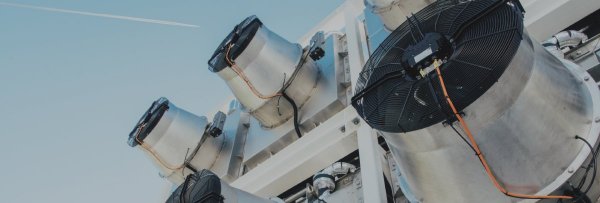
ZURICH — A Swiss company is operating a commercial facility that pulls carbon dioxide directly from the atmosphere and resells it, a step toward making carbon removal economically sustainable. The plant, located about half an hour outside Zurich, uses 18 fans mounted on the roof of a recycling center to draw in air, where chemically coated filters absorb the CO2.
Once the filters are saturated, which takes a few hours, they are heated to 100 degrees Celsius using waste heat from the recycling plant. That process releases pure carbon dioxide gas, which is then piped to a nearby large greenhouse to enhance vegetable growth.
The system, known as direct-air capture, was developed by Climeworks, a Swiss startup. It has the capacity to capture up to 900 tonnes of CO2 per year. This is the first time the company has sold CO2 commercially, according to co-founder Jan Wurzbacher, who told BBC News, "This is the first of its kind. It has to be for business. CO2 capture can't work for free."
Why Selling CO2 Matters
The urgency of removing carbon from the air is underscored by a recent report indicating that atmospheric CO2 levels are at their highest in millions of years. A study by Chatham House suggests that by 2030, the world will need to have a method for removing and storing carbon from the environment.
Climeworks currently sells the captured CO2 at just under $600 per tonne, a price that reflects the high cost of building the hardware from scratch. The company hopes to reduce that to around $100 per tonne within two or three years, as manufacturing scales up—similar to the cost reductions seen in solar panels and wind turbines.
At that lower price, Climeworks estimates that e-diesel—a liquid fuel made by combining CO2 with water—could cost just 25 cents per liter. The company previously supplied CO2 to Audi for its e-diesel development.
The commercial approach is part of a broader effort to address rising CO2 levels. Other initiatives include using CO2 as a fuel and developing advanced carbon capture membranes. While questions remain about how such projects will fund themselves long-term, Climeworks' model of selling captured carbon offers one possible path forward.
Climeworks, a Swiss firm, operates a direct-air capture plant near Zurich that pulls CO2 from the atmosphere and sells it to a greenhouse. The company aims to lower costs from $600 to $100 per tonne within three years, making carbon removal commercially viable.
Leave a Comment
Comments (0)