Private Jets to Glasgow Climate Summit Draw Scrutiny
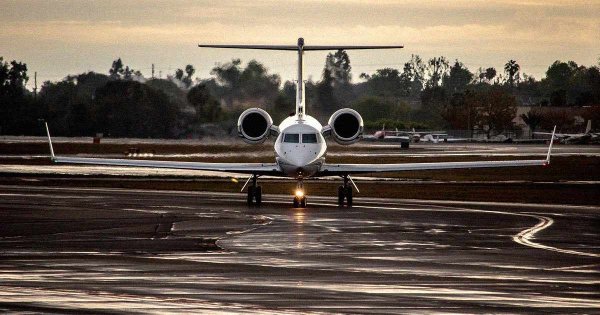
The United Nations climate summit opened Sunday in Glasgow, Scotland, drawing leaders from around the world to discuss carbon neutrality and the Paris Agreement goals. However, the arrival of an estimated 400 private planes for the event has cast a shadow over the proceedings, highlighting a stark contrast between the conference's environmental ambitions and the travel choices of its participants.
Among those flying in were U.S. President Joe Biden and UK Prime Minister Boris Johnson, both of whom are set to address commitments on reducing greenhouse gas emissions. The BBC reported the private jet count, a figure that underscores the logistical reality of global diplomacy but also fuels public criticism.
Critics point out that a single four-hour flight on a private jet can produce emissions equivalent to what an average European citizen generates in an entire year, as noted by Gizmodo. This comparison has amplified the debate over whether such travel is justified for public figures or represents a damaging double standard.
Defending the Journey
Scotland's First Minister Nicola Sturgeon defended the travel, telling the BBC that the pressure on world leaders to make the trip worthwhile is increased by the effort required to get there. Her comments reflect a view that in-person negotiations are essential for meaningful progress on climate issues.
Yet, the argument has not swayed many observers who question why virtual meetings, which proved effective during the pandemic, are not being used more extensively. The availability of video conferencing technology, they argue, could reduce the need for such high-emission travel.
Calls for Action
Some commentators, including Gizmodo, have called for a ban on private jets or for making fliers pay for the environmental cost of their travel. These proposals, while not yet part of official policy, resonate with a public increasingly concerned about climate change and the behavior of the global elite.
The summit itself is focused on securing commitments that would keep the Paris Agreement's targets within reach, including new infrastructure and financial support for developing nations. The irony of the private jet arrivals has not been lost on attendees or observers, adding a layer of tension to the discussions.
As the conference continues, the focus will remain on the outcomes of the negotiations, but the image of hundreds of private jets on the tarmac in Glasgow will likely linger in the minds of many, serving as a reminder of the gap between climate rhetoric and action.
As the UN climate summit opened in Glasgow, the arrival of around 400 private jets carrying world leaders sparked criticism over the carbon footprint of such travel. Critics point to the irony of high-emission transport at a conference focused on reducing greenhouse gases, while some officials argue the travel is necessary for global diplomacy.
Leave a Comment
Comments (0)